
Choose a tankless water heater if you want endless on-demand hot water, a compact unit that frees up floor space, and a longer service life, and you can accept a higher upfront cost. Choose a traditional tank water heater if you want a lower upfront price and a simple, familiar swap. Most Hampton Roads homes work well with either, so the right pick comes down to your budget, hot-water demand, and available space. Here is how the two compare, from the team at Guaranteed Climate and Refrigeration in Chesapeake, VA.



Here is the quick comparison before we dig into the details. A tankless unit heats water only when you turn on a tap, so it never runs out and never burns energy keeping a full tank hot around the clock. A tank unit stores a set amount of already-heated water, ready to go but limited to what the tank holds, and it reheats on a cycle. Tankless costs more upfront and lasts longer; tank costs less upfront and is simpler to replace. The table below sums up the trade-offs, and the sections that follow explain each one for your home.
| Feature | Tankless | Tank |
|---|---|---|
| Hot water | On-demand, endless | Limited to tank capacity |
| Footprint | Compact, wall-mounted | Large floor unit |
| Energy use | Heats only on demand | Standby heat loss |
| Typical lifespan | 15-20 years | 8-12 years |
| Upfront cost | Higher | Lower |
| Best for | Space-constrained homes, high demand | Lower upfront budget, simple swaps |
A tank water heater is the familiar cylinder in a closet, garage, or utility room. It holds a fixed volume of water, commonly 40 to 50 gallons for a home, and a gas burner or electric elements keep that water hot and ready. When you open a hot tap, heated water flows out of the top of the tank and cold water flows in the bottom to be heated next. The system works well until you draw more hot water than the tank holds, at which point you have to wait for it to reheat. Because the tank keeps its full volume hot even when no one is using it, it loses some energy continuously, known as standby heat loss.
A tankless water heater, sometimes called an on-demand unit, has no storage tank. When you open a hot tap, cold water flows through the unit and past a powerful gas burner or electric heating element that heats it instantly as it passes. Hot water keeps coming for as long as the tap is open, so you will not run out mid-shower. When you close the tap, the unit shuts off and uses no energy until the next call for hot water. The wall-mounted design is compact, and because it only heats when needed, there is no standby loss. Explore our tankless water heater and tank water heater pages for what installation and service involve.
The clearest difference between the two is upfront cost. A tankless water heater carries a higher upfront price than a comparable tank model, both for the unit itself and often for installation. Because a tankless unit heats water rapidly on demand, it may need upgrades to handle that load, such as a larger gas line or additional electrical capacity, and that added work raises the initial investment. A traditional tank unit is typically a simpler, lower-cost swap, especially when you are replacing an existing tank with another tank in the same spot.
Over time, the math shifts. Because a tankless unit only heats water when you use it, it avoids the standby energy loss of keeping a full tank hot all day, which can lower your monthly energy use. A tankless unit also lasts considerably longer, often reaching 15 to 20 years compared with roughly 8 to 12 for a tank, so you may replace a tank unit twice over the life of one tankless unit. Whether the long-term savings offset the higher upfront cost depends on your hot-water usage and how long you plan to stay in the home. We quote both options upfront so you can weigh the numbers for your situation, and financing can spread out the cost of either with a soft credit check that does not affect your score.
The tankless advantages are endless on-demand hot water, so you will not run out during back-to-back showers, a compact wall-mounted footprint that frees up floor space, lower standby energy use, and a longer service life. The trade-offs are the higher upfront cost and the possibility of gas or electrical upgrades during installation. Very high simultaneous demand, several hot taps running at once, can also stretch a single unit, though correct sizing solves that.
The tank advantages are the lower upfront cost, a simple and well-understood installation, and strong delivery of a large burst of hot water all at once, which suits homes that draw heavily at peak times. The trade-offs are the limited capacity, so a big household can drain the tank and wait for a refill, the standby energy loss from keeping water hot around the clock, the larger physical footprint, and a shorter typical lifespan. In our coastal Hampton Roads area, water quality and sediment can affect any water heater, which is one more reason routine maintenance pays off regardless of the type you choose.
Start with your hot-water demand and your space. If your household runs several showers and appliances in a tight window each morning, or you have simply been frustrated by running out of hot water, the endless supply of a tankless unit is a strong draw. If floor space is tight, wall-mounting a compact unit and reclaiming that closet or garage corner is a real bonus. Homeowners planning to stay in the house for many years also get more benefit from the longer lifespan and lower running cost, which have more time to offset the higher upfront price.
A traditional tank unit is the practical choice when a lower upfront cost is the priority, when you are doing a straightforward like-for-like replacement, or when your hot-water use is modest and steady. There is nothing wrong with a well-maintained tank heater, it is proven, affordable, and easy to service. The best way to decide is to match the system to how your household actually uses hot water. Our team will look at your demand, your space, and your gas and electrical setup, then give you an honest recommendation and an upfront quote. Compare our tankless water heater and tank water heater options, or call 757-717-2332.

Don't let budget concerns keep you from the comfort and efficiency your home deserves. With our flexible financing options, you can get the HVAC system, water heater, or electrical upgrades you need today—and pay over time with a plan that fits your budget.

Get a decision in minutes, not days.

Checking your options won't affect your credit score.

Choose monthly payments that work for your budget.

Don't wait to restore your comfort.
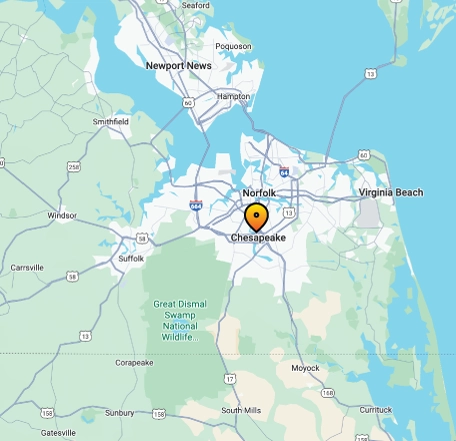
Guaranteed Climate and Refrigeration proudly serves homeowners throughout the Chesapeake region. Our local presence means faster response times and better service for your home.
No matter where you're located in our service area, you'll receive the same professional service and attention to detail that's made us a trusted name throughout the region.
For many homes, yes. A tankless unit gives you endless on-demand hot water, frees up floor space, uses less standby energy, and lasts longer than a tank. The main trade-off is a higher upfront cost, sometimes including gas or electrical upgrades. It is most worth it if you run out of hot water now, want to reclaim space, or plan to stay in the home long enough for the longer lifespan and lower running cost to pay off. We help you weigh it for your situation.
A tankless water heater typically lasts about 15 to 20 years, which is considerably longer than a traditional tank unit at roughly 8 to 12 years. Reaching the upper end of that range depends on regular maintenance, particularly periodic descaling to manage mineral buildup. Because a tankless unit can last so long, you may replace a tank heater twice over the service life of one tankless unit.
They can, over time. Because a tankless unit only heats water when you use it, it avoids the standby energy loss of keeping a full tank hot all day, which can lower your monthly energy use. It also lasts longer, so you replace it less often. Those savings have to offset a higher upfront cost, so how much you save depends on your hot-water usage and how long you stay in the home. We quote both options upfront so you can compare.
It varies with the unit you choose and what your home needs to support it, such as a larger gas line or added electrical capacity. Installation costs more upfront than a like-for-like tank swap, but the exact figure depends on your setup. We assess your home, recommend the right unit, and give you the price upfront before any work begins, and financing is available to spread out the cost. Call 757-717-2332 for an estimate.

© Red Barn Media Group 2026
